
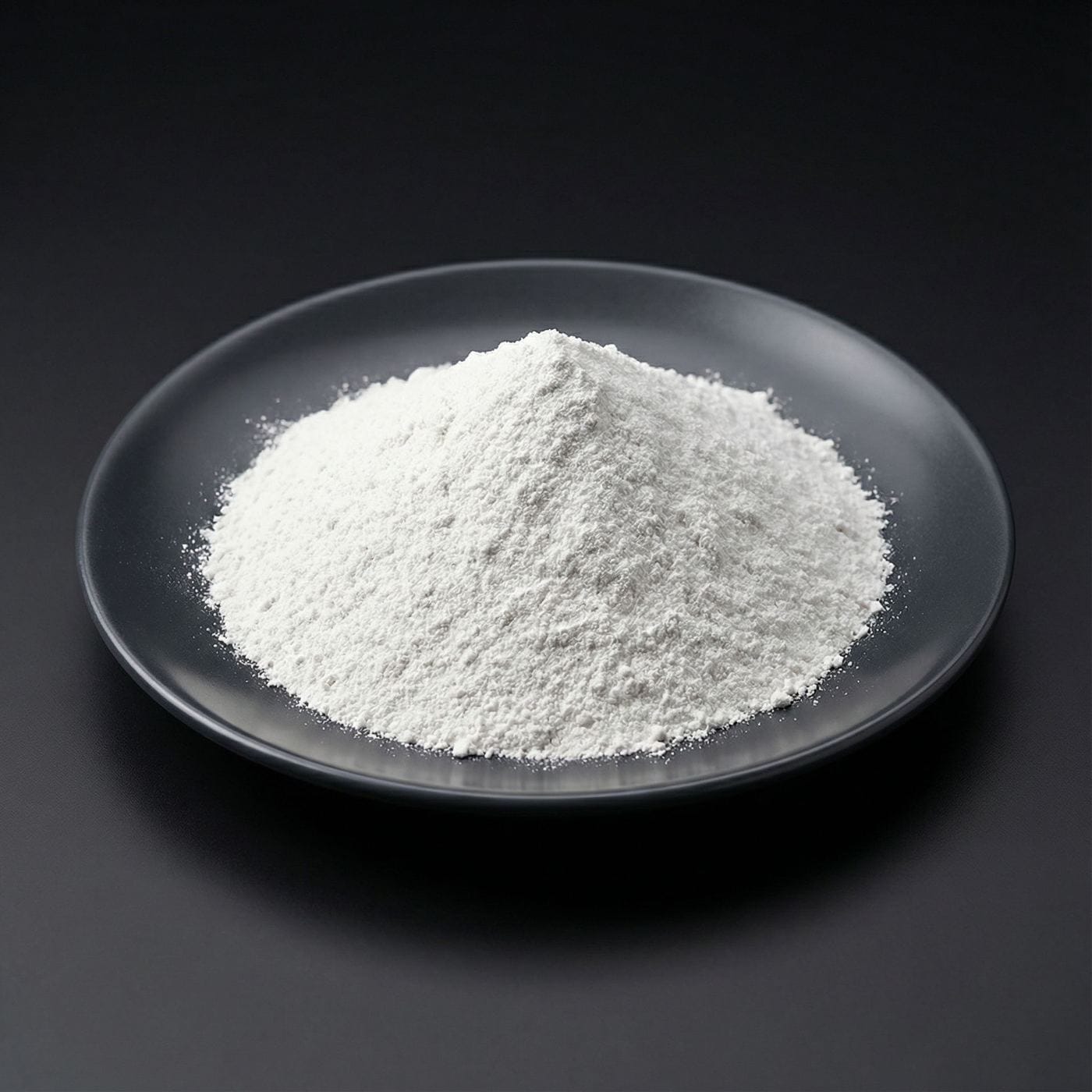
For this topic, the manufacturer publishes a desulfurization efficiency of 95–98% for flue gas treatment, compared with 90–95% for calcium carbonate (CaCO₃). These figures appear on the product page for this topic from Xingtai Zhongyao Chemical. The page also lists an MgO content of ≥90.0%, a CaO content of ≤1.5%, and a loss on ignition of ≤8.0%, with test methods labeled generically as ISO/ASTM without specific standard numbers.
What Desulfurization Efficiency Is Published for Industrial Magnesium Oxide?
The product page states a desulfurization efficiency of 95–98% for flue gas treatment. This figure is presented as a key feature, with the page stating “95-98% Desulfurization Efficiency (vs 90-95% for CaCO₃)”. This comparison is a manufacturer claim, not an independently verified result. The page does not specify the desulfurization process, reactor design, or operating conditions under which this efficiency was measured. Therefore, treat this figure as a manufacturer-stated value rather than an independently verified result.
What Citric Acid Reactivity Value Is Published for Industrial Magnesium Oxide?
The citric acid reactivity is published as 120–160 seconds. This value appears in the technical specifications table under the parameter “Activity (Citric Acid)”. It is also listed in the key features as “Fast Acid Neutralization Kinetics (120-160s citric acid reactivity)”. To use this figure in your evaluation, request the exact test procedure and the laboratory that performed the measurement.
How Do These Figures Compare with the Published Specifications for MgO Content and Other Parameters?
The technical specifications table lists the following parameters and values:
- MgO Content: ≥90.0%
- CaO Content: ≤1.5%
- LOI (Loss on Ignition): ≤8.0%
- Activity (Citric Acid): 120–160 sec
- Mesh Size: 200–325 mesh
All these values are stated on the product page. The page does not provide a formula or data linking these parameters to the performance figures. Therefore, treat each parameter as an independent published value. The page does not explain how the activity value relates to the desulfurization efficiency, so any correlation would need to be confirmed with additional data. For example, a higher MgO content might suggest more active material, but the page does not provide data to support such a relationship. When you compare these figures, recognize that they are separate specifications, not a set of causally linked values.
What Test Method Details Are Missing from the Published Figures?
The available evidence does not provide specific test method numbers for any of the published parameters. The technical specifications table labels the test methods as “ISO/ASTM” without a standard number, which is a generic label rather than a verifiable method identifier. When requesting documentation, ask for the exact standard number and version, as well as the laboratory that performed the tests. Without this information, the published values remain manufacturer-stated claims that cannot be independently verified from the public page.
How to Use These Published Figures When Evaluating this topic
When you see these published figures, treat them as manufacturer-stated values, not as independently verified results. Use the following summary table to record what is stated and what is missing:
| Parameter | Published Value | Test Method as Stated | Source Status |
|---|---|---|---|
| Desulfurization efficiency | 95–98% | Not stated | Published on product page |
| Citric acid reactivity | 120–160 sec | Not stated | Published on product page |
| MgO content | ≥90.0% | ISO/ASTM (generic label) | Published on product page |
| CaO content | ≤1.5% | ISO/ASTM (generic label) | Published on product page |
| LOI | ≤8.0% | ISO/ASTM (generic label) | Published on product page |
If you need to verify these figures for a specific application, request the exact test methods and batch certificates from the manufacturer. The published values give you a starting point, but they do not replace documented evidence. Before deciding, review the documented information on the Industrial Magnesium Oxide page and verify any important condition the page does not address. You can also ask whether the desulfurization efficiency was measured in a pilot-scale test or a full-scale operation, and under what conditions. By requesting this information, you can move from a manufacturer-stated figure to a documented value that you can evaluate for your own requirements.