
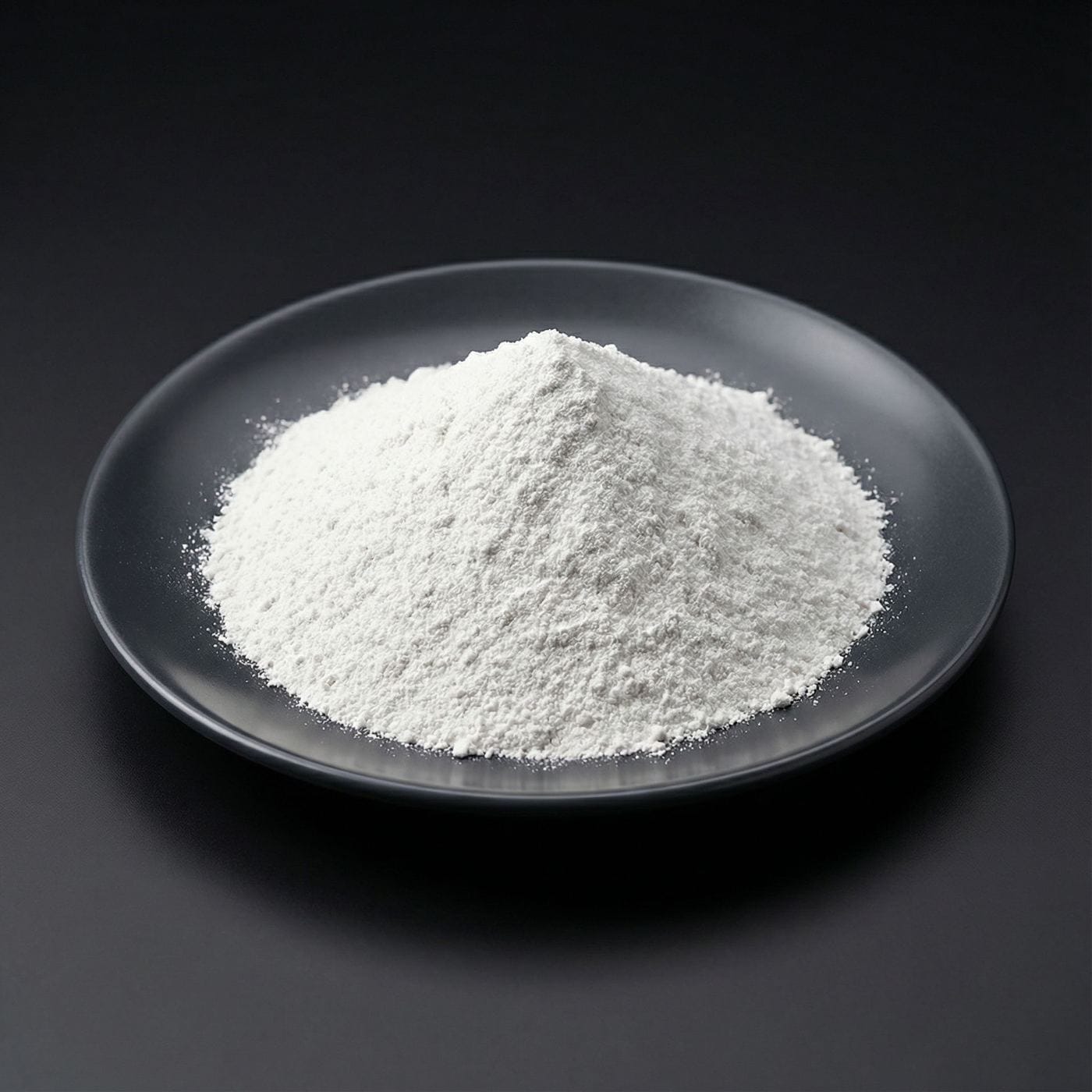
When you compare supplier COAs for MgO for Friction Materials, the practical goal is to decide which supplier’s certificate gives you enough documented evidence to approve a batch. The comparison basis should be the stated values and the test methods cited on each COA. However, the product page for this subject lists only “ISO/ASTM” without specific standard numbers, so you must request exact method details from each supplier. This article provides a normalized comparison matrix that separates documented differences from unanswered supplier questions, so you can make a sourcing decision based on evidence rather than assumptions.
MgO for Friction Materials: What Parameters Should Buyers Compare on MgO COAs?
The product page for this subject states these specification values: MgO Content ≥ 96.0%, Particle Size 325 mesh, CaO ≤ 1.0%, and Hardness (Mohs) 6.0. These four parameters are the core of any COA comparison for this application. When you compare COAs, you should check each parameter against your own purchasing specification. For COA comparison, focus on the measurable parameters that appear on the certificate.
How to Normalize COA Data Across Suppliers for a Fair Comparison
To compare COAs fairly, you need to normalize the data into a single format. The matrix below has columns for Supplier, Parameter, Reported Value, Test Basis (as stated), Missing Field, and Buyer Decision. The rows for the second supplier are left blank for you to fill in with information from actual COAs. Use “Not stated in the public source” for fields that are not disclosed, and “Supplier to provide” for data you must request.
| Supplier | Parameter | Reported Value | Test Basis (as stated) | Missing Field | Buyer Decision |
|---|---|---|---|---|---|
| Supplier 1 | MgO Content | ≥96.0% | ISO/ASTM | Supplier to provide the exact method and supporting evidence | Supplier to provide exact method |
| Supplier 1 | Particle Size | 325 mesh | ISO/ASTM | Supplier to provide the exact method and supporting evidence | Supplier to provide exact method |
| Supplier 1 | CaO Content | ≤1.0% | ISO/ASTM | Supplier to provide the exact method and supporting evidence | Supplier to provide exact method |
| Supplier 1 | Hardness (Mohs) | 6.0 | ISO/ASTM | Supplier to provide the exact method and supporting evidence | Supplier to provide exact method |
| Supplier 2 | MgO Content | Supplier to provide | Supplier to provide | Supplier to provide | Supplier to provide |
| Supplier 2 | Particle Size | Supplier to provide | Supplier to provide | Supplier to provide | Supplier to provide |
| Supplier 2 | CaO Content | Supplier to provide | Supplier to provide | Supplier to provide | Supplier to provide |
| Supplier 2 | Hardness (Mohs) | Supplier to provide | Supplier to provide | Supplier to provide | Supplier to provide |
Note: The product page does not provide data for a second supplier, so the rows for Supplier 2 are left for you to fill in with information from actual COAs. Use “Not stated in the public source” for fields that are not disclosed, and “Supplier to provide” for data you must request.
What Test Method Details Are Often Missing from MgO COAs?
The product page for this subject lists the test method column as “ISO/ASTM” for all parameters. Therefore, when you review a COA, check whether the test method column includes a specific standard designation. If it only says “ISO/ASTM” or is blank, that is a missing field you must request from the supplier. You should ask the supplier to provide the exact method, the standard number, and the test conditions.
How to Use a Comparison Matrix to Make a Sourcing Decision
The comparison matrix helps you make a sourcing decision by separating documented differences from unanswered supplier questions. For each parameter, compare the reported values across suppliers. If all suppliers report similar values and provide specific test methods, you can proceed with a shortlist. If a supplier’s COA lacks exact method details, you cannot assume the values are comparable; you must request clarification. The buyer decision column in the matrix allows you to mark each parameter as “Accept,” “Request clarification,” or “Reject” based on the completeness of the data. For example, if a supplier reports MgO content as ≥96.0% but does not state the test method, you should mark “Request clarification” for that parameter.
What to Do When COA Data Is Incomplete or Missing
When a COA is incomplete, you should not assume that the missing data is acceptable. Instead, you should request the missing information from the supplier and document the request. For example, if the COA does not state the exact test method, ask the supplier to provide the standard number and a copy of the test report. Always keep a record of your requests and the supplier’s responses to support your sourcing decision. Before final approval, compare the documented scope with the MgO for Friction Materials page and ask the supplier to confirm any purchasing requirement not listed there. If the supplier cannot provide the missing details, you may need to consider alternative suppliers or request a sample for independent testing.