
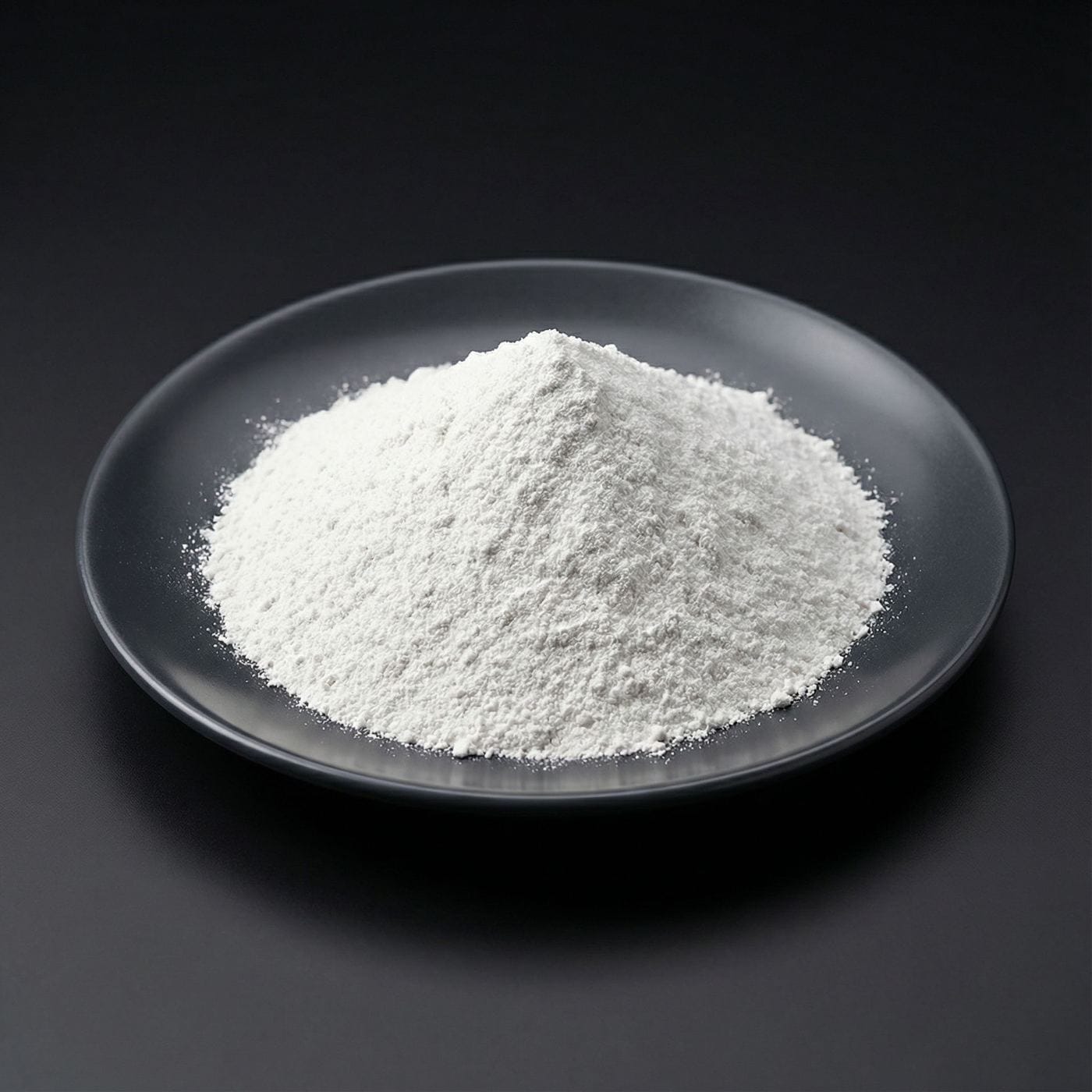
Why Test Details Matter for Industrial Magnesium Oxide
When you purchase industrial magnesium oxide, a certificate stating “MgO ≥ 90%” is only useful if you know which method was used to measure it. This guide walks you through the parameters you should request, how to verify them, and what to ask your supplier before you commit to a purchase.
Key Test Parameters and Methods
The table below lists the core parameters that define the material quality. These are the values you should see on a typical specification sheet, along with the test method references.
| Parameter | Typical Value | Test Method Reference |
|---|---|---|
| MgO Content | ≥ 90.0% | ISO/ASTM |
| CaO Content | ≤ 1.5% | ISO/ASTM |
| LOI (Loss on Ignition) | ≤ 8.0% | ISO/ASTM |
| Activity (Citric Acid) | 120-160 sec | ISO/ASTM |
| Mesh Size | 200-325 mesh | ISO/ASTM |
Note: The table above is based on a typical product specification.
How to Read a Specification Sheet
When you receive a specification sheet for the material, look for the following details:
- MgO Content: Indicates the purity of the magnesium oxide. Higher values generally mean fewer impurities, but the test method must be specified.
- CaO Content: Calcium oxide is a common impurity. Low values are often desired for certain applications.
- LOI: Loss on ignition measures the weight loss when the sample is heated, indicating moisture, carbonates, or other volatile components.
- Activity (Citric Acid): This measures the reactivity of the MgO, often expressed as the time (in seconds) for a sample to neutralize a citric acid solution. Faster times indicate higher reactivity.
Specification Verification Record
When you receive a certificate of analysis (CoA), create a verification record. For each parameter, note the claimed value, the test method, and the actual result. If the test method is not stated, request it from the supplier. The following is a template for your record:
| Parameter | Claimed Value | Test Method | Actual Result | Status |
|---|---|---|---|---|
| MgO Content | ≥ 90.0% | ISO/ASTM | Defined by buyer | Pending |
| CaO Content | ≤ 1.5% | ISO/ASTM | Defined by buyer | Pending |
| LOI | ≤ 8.0% | ISO/ASTM | Defined by buyer | Pending |
| Activity | 120-160 sec | ISO/ASTM | Defined by buyer | Pending |
| Mesh Size | 200-325 mesh | ISO/ASTM | Defined by buyer | Pending |
If any value is missing or the test method is not specified, pause and ask the supplier for clarification before proceeding.
Inquiry and Incoming Inspection Checklist
- Request the exact ISO or ASTM test method numbers for each parameter.
- Ask for a certificate of analysis (CoA) that includes the test results and the date of testing.
- Verify that the CoA matches the specification sheet.
- If possible, arrange for independent lab testing to confirm the results.
- Record the batch number and keep a sample for future reference.
- If the product is for a specific application (e.g., flue gas desulfurization), ask for additional tests relevant to that use.
Frequently Asked Questions
What does “ISO/ASTM” mean on a specification sheet?
Because the exact standard number is not stated, you should ask the supplier to provide the specific ISO or ASTM standard number for each parameter.
Why is citric acid activity important?
Citric acid activity measures the reactivity of magnesium oxide.
Can I rely on the supplier’s test results?
Supplier test results are a starting point. Always request the test methods used so you can compare results accurately.
Conclusion
Before you place an order, confirm the exact test method numbers, the certificate of analysis, and the batch traceability with your supplier. Record every specification value and test method in a verification table, and keep the supplier’s documents for audit. For more information about Industrial Magnesium Oxide and its specifications, contact our team. Explore our Product Series to see other magnesium-based products, or learn about Active Magnesium Oxide for specialized applications.
Complete the purchasing decision record
Turn the review into a traceable purchasing record before making the final disposition. Give the record a unique reference and identify the requested grade, supplier, quotation reference, document revision, proposed lot, reviewer, and review date. For every specification row, copy the field name exactly as it appears in the source document. Keep separate columns for the value stated on the public product page, the value required by the purchase specification, the value reported for the proposed batch, the cited test method, and the document that contains the result. Do not copy a value from one column into another when the supplier has not supplied it.
| Review field | Public page | Buyer requirement | Proposed batch evidence | Status |
|---|---|---|---|---|
| Product identity and grade | Product page or quotation | Defined by buyer | Supplier document reference | Confirmed, open, or not accepted |
| Specification and test method | Published specification | Agreed purchase specification | Batch document and revision | Confirmed, open, or not accepted |
| Delivery and lot traceability | Order record | Defined by buyer | Delivery reference and lot ID | Confirmed, open, or not accepted |
Mark each row with a neutral status: confirmed against the agreed requirement, open for clarification, or not accepted against the agreed requirement. A blank field remains open; it is not a pass. For each open row, write one precise question that names the missing field and the document or batch under review. Record the supplier response beside the original question, together with the response date and any replacement document revision. This preserves the difference between a published specification, a batch-specific submission, and a later clarification.
Use the same record when the shipment arrives. Match the delivery reference and lot identifier to the documents reviewed before ordering, then record which incoming checks were completed and where their results are stored. If a value, method, lot reference, or document version does not match the agreed purchasing record, place that row on hold and assign an owner for clarification. Record the final disposition and the evidence used for it. This approach creates an auditable decision without filling evidence gaps with assumptions about product performance or supplier capability.
FAQ
What does “ISO/ASTM” mean on a specification sheet?
The notation “ISO/ASTM” on a specification sheet indicates that the test method is intended to conform to standards from either the International Organization for Standardization (ISO) or ASTM International. Because the exact standard number is not stated, you should ask the supplier to provide the specific ISO or ASTM standard number for each parameter.
Why is citric acid activity important?
Citric acid activity measures the reactivity of magnesium oxide. A faster reaction time (e.g., 120-160 seconds) indicates higher reactivity, which can be important for applications like flue gas desulfurization where rapid neutralization is needed.
Can I rely on the supplier’s test results?
Supplier test results are a starting point. For critical applications, consider independent verification by a third-party lab. Always request the test methods used so you can compare results accurately.