
Green Chemistry for Cleaner Tomorrow
MgO's environmental applications leverage its strong alkalinity (pH 10-11) and high reactivity. In flue gas desulfurization (FGD), MgO reacts with SO₂ to form MgSO₃/MgSO₄ with 95-98% efficiency, and by-products can be recovered as magnesium sulfate. In wastewater treatment, it rapidly neutralizes acidic effluent and precipitates heavy metal ions (Pb²⁺, Cd²⁺, Cu²⁺), achieving >99% compliance rate.
95-98% SO₂ removal rate, superior to limestone method 90-95%
Produces magnesium sulfate usable as fertilizer or industrial feedstock
No waste residue accumulation, closed-loop system
Excellent corrosion resistance, 30% lower maintenance cost
From lab to production line, our solutions have been validated in leading global enterprises
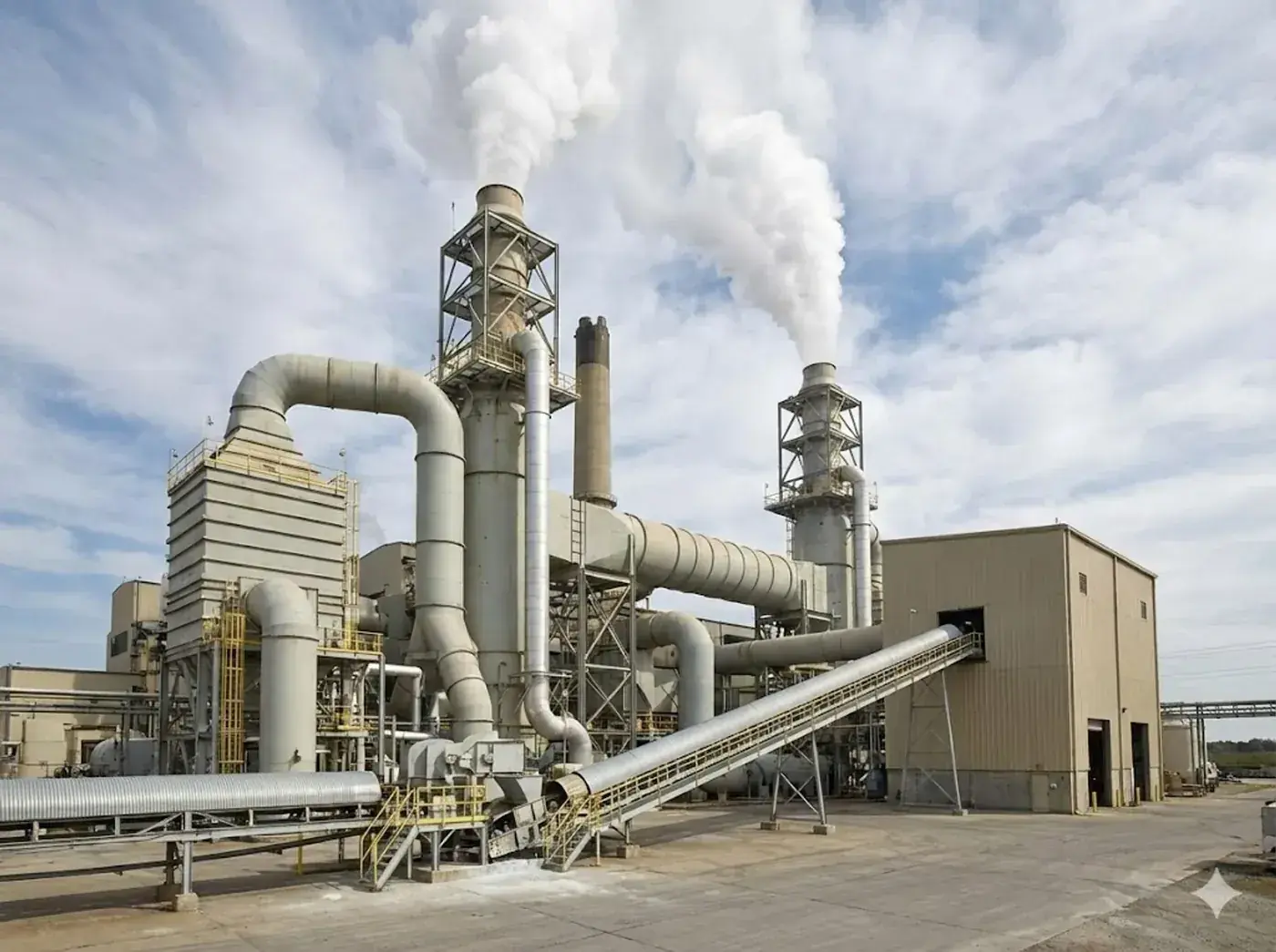
Core technology for SO₂ emission reduction in coal-fired power plants and steel mills, with compact and efficient MgO-based FGD systems.
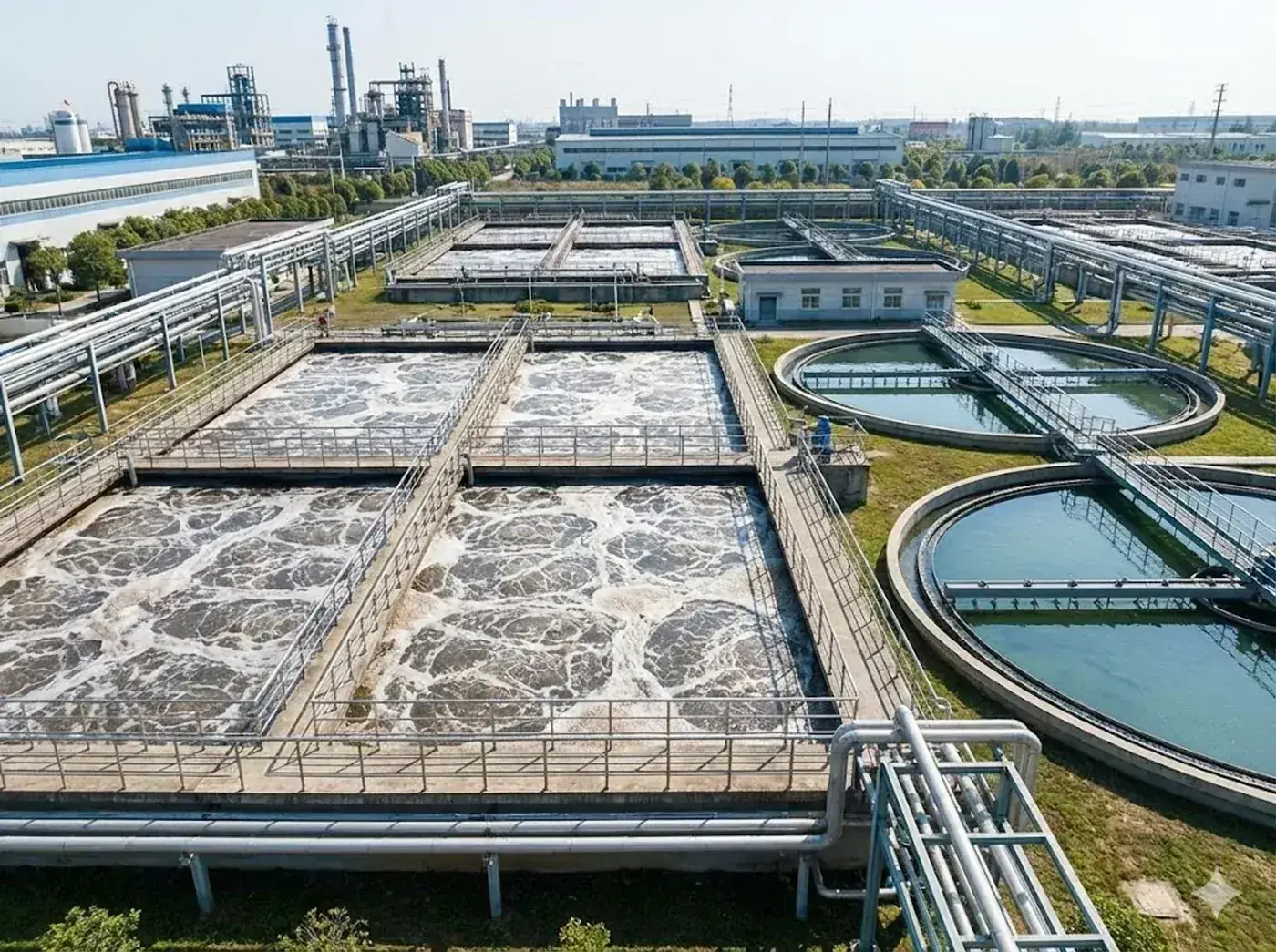
Rapid neutralization of pH 2-4 strong acidic wastewater from electroplating, metal surface treatment, and chemical plants to pH 6-9.
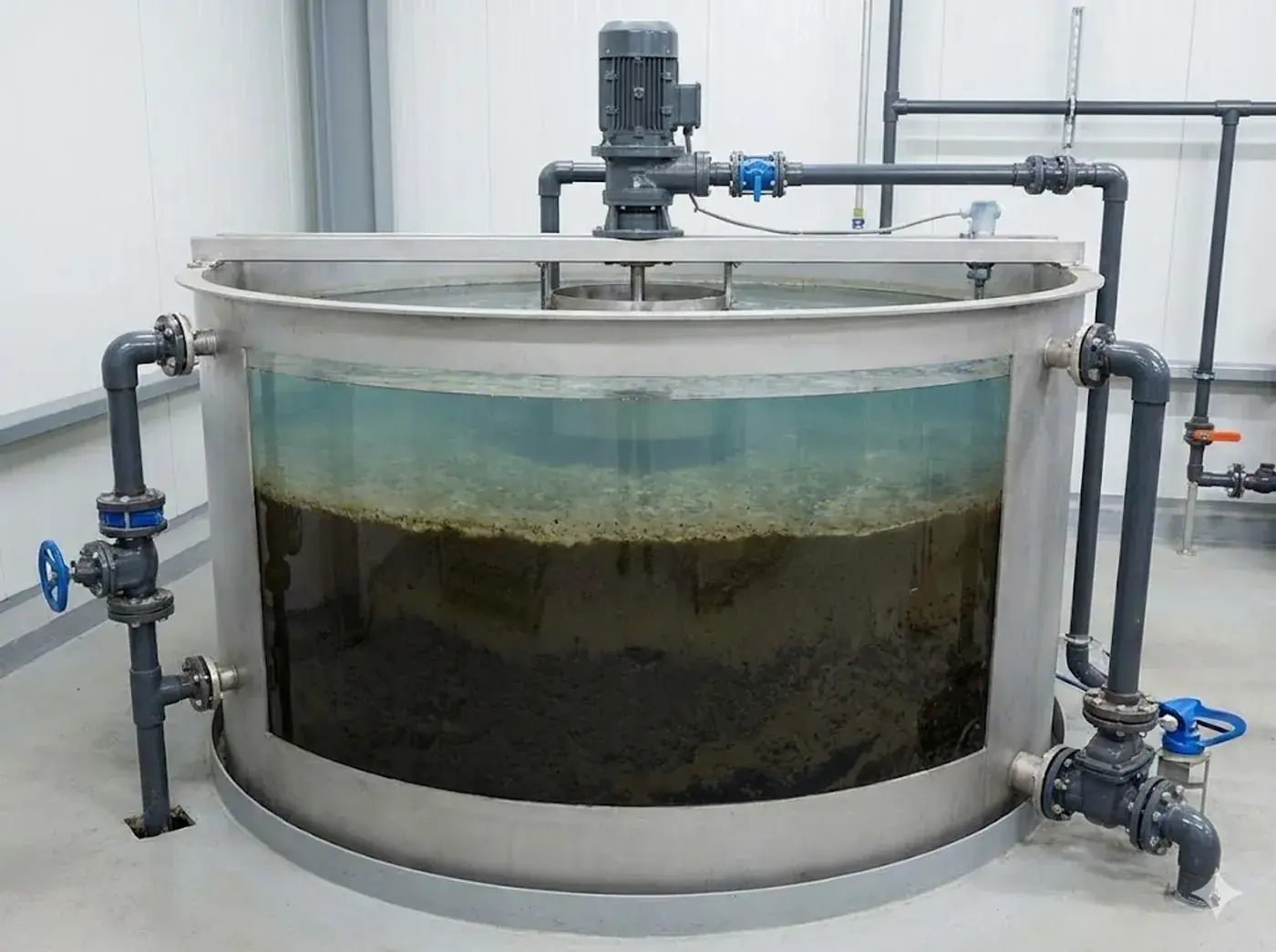
For mine wastewater and electronics factory effluent containing Pb, Cd, Cr(VI), MgO precipitates heavy metals as hydroxides.
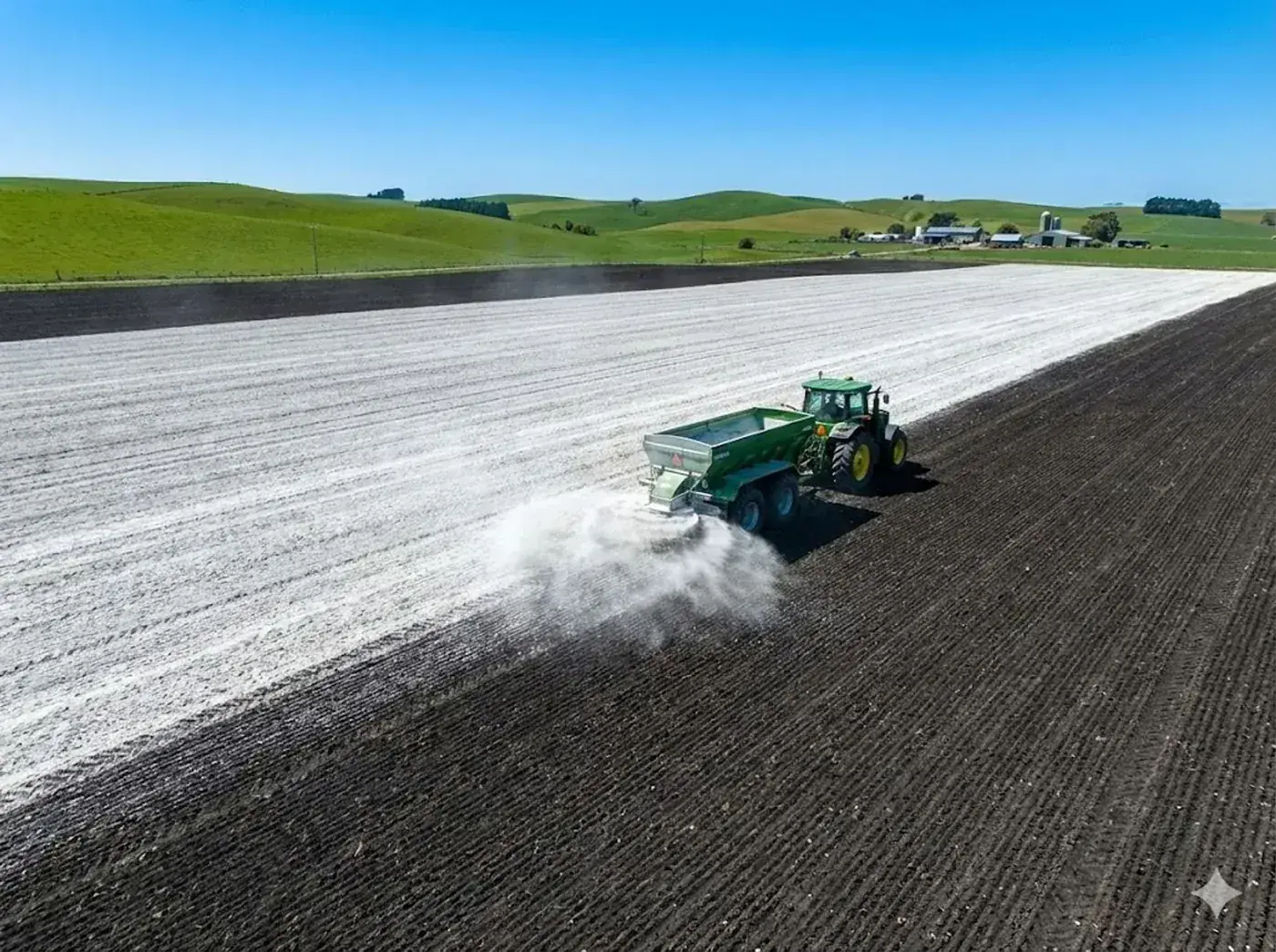
Remediation of acidified farmland and mining area soils (pH <5.5), restoring crop growth conditions.
Basic Raw Materials
Versatile industrial magnesia (industrial magnesium oxide, MgO) delivering 95-98% desulfurization efficiency for flue gas treatment, magnesium salt synthesis, and high-strength magnesia cement production.
Why Recommended
90%+ MgO content, 120-160s activity, cost-effective, suitable for large-scale FGD projects
Specialty MgO
Ultra-active MgO (iodine value ≥120 mg/g) engineered to prevent scorch in neoprene adhesives and extend rubber compound shelf life by 3-6 months.
Why Recommended
140 m²/g ultra-high specific surface area, rapidly neutralizes acidic wastewater, reduces reaction time
Specialty MgO
Light magnesium oxide supplied in two grades — HD-8 (D50 40-60 µm) and HD-9 (D50 1-2 µm) — for rubber compounding, ceramic sintering and electrical insulation applications.
Why Recommended
Ultrafine particle size, easily dissolved, suitable for automatic dosing systems in small wastewater treatment plants
| Indicator | MgO Method | Limestone Method | Ammonia Method | Seawater Method |
|---|---|---|---|---|
| SO₂ Removal Rate (%) | 95-98 | 90-95 | 98-99 | 85-90 |
| Operating Temperature (°C) | 55-65 | 80-90 | 40-50 | Ambient |
| Liquid-to-Gas Ratio (L/Nm³) | 8-12 | 15-20 | 5-8 | 30-40 |
| By-product | MgSO₄ (Sellable) | Gypsum (Low Value) | (NH₄)₂SO₄ | None (Diluted to Sea) |
| Equipment Corrosion | Low | Medium | High | Very High |
| Investment Cost Index | 1.2 | 1.0 | 1.5 | 0.8 |
| Operating Cost Index | 0.9 | 1.0 | 1.3 | 1.1 |
Original limestone-gypsum FGD tower suffered severe scaling, annual maintenance cost ¥6M, by-product gypsum accumulation unmanageable.
Retrofitted to MgO-based desulfurization process using Xingtai Zhongyao Industrial MgO.
Mixed wastewater containing Cr(VI) 50 mg/L, Ni²⁺ 80 mg/L, traditional lime method produced excessive sludge (20 tons/day).
Adopted 'Active MgO' + reducing agent two-step method: first reduce Cr(VI), then precipitate all heavy metals.
MgO desulfurization by-products can regenerate MgO (calcining MgSO₄), achieving magnesium resource circulation, aligning with carbon neutrality concept.
Under strict environmental supervision, enterprises pursue wastewater zero discharge. MgO combined with membrane technology achieves high-salinity wastewater crystallization and salt separation, water reuse >90%.
For abandoned mine acid drainage (AMD) treatment, MgO + microbial combination technology becomes new direction, balancing neutralization with ecological restoration.
Xingtai Zhongyao's technical team has extensive industry experience and can provide professional formula suggestions and technical support based on your specific application needs.
