MgO Solutions for Friction & Sealing Systems
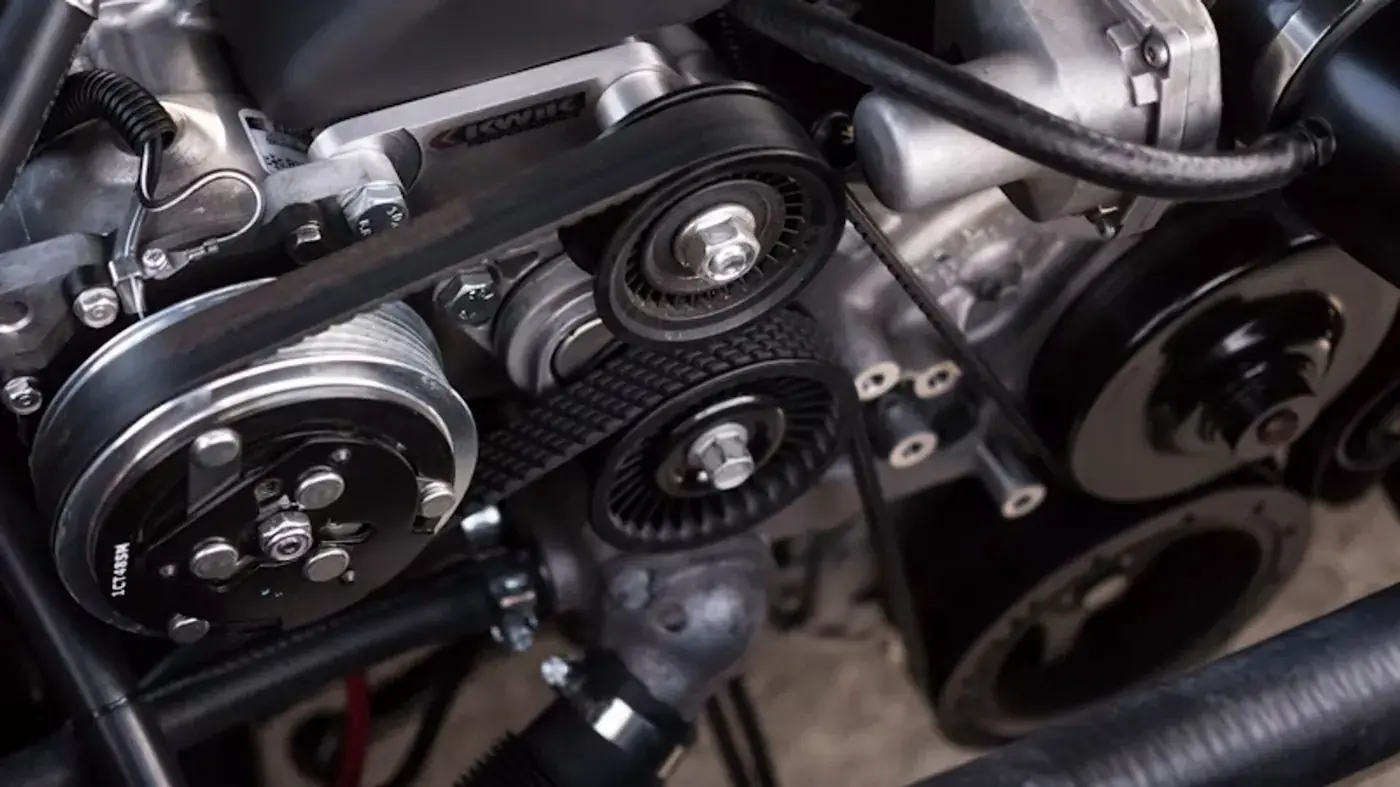
In automotive industry, MgO is mainly used in friction materials such as brake pads and clutch plates, as well as various oil pipes, brake hoses, and seals. By regulating MgO's activity, particle morphology, and purity, stable friction coefficient and dimensional stability can be maintained under high temperature and high pressure conditions, reducing brake fade and seal failure.
Maintains stability in 0.35-0.45 range, reducing brake fade
Maintains structure and performance stability at 400-600°C
Brake pad and hose lifespan can be extended by 20-30%
Effectively suppresses swelling and cracking caused by oils and acidic media
From lab to production line, our solutions have been validated in leading global enterprises

Introduces specialized MgO in NAO and semi-metallic formulations to stabilize friction coefficient and reduce wear.

Heavy trucks and buses need to maintain stable braking force during long downhill runs and high-frequency braking conditions.

Adds MgO to NBR, CSM fuel hoses and brake lines to suppress swelling caused by acidic media.
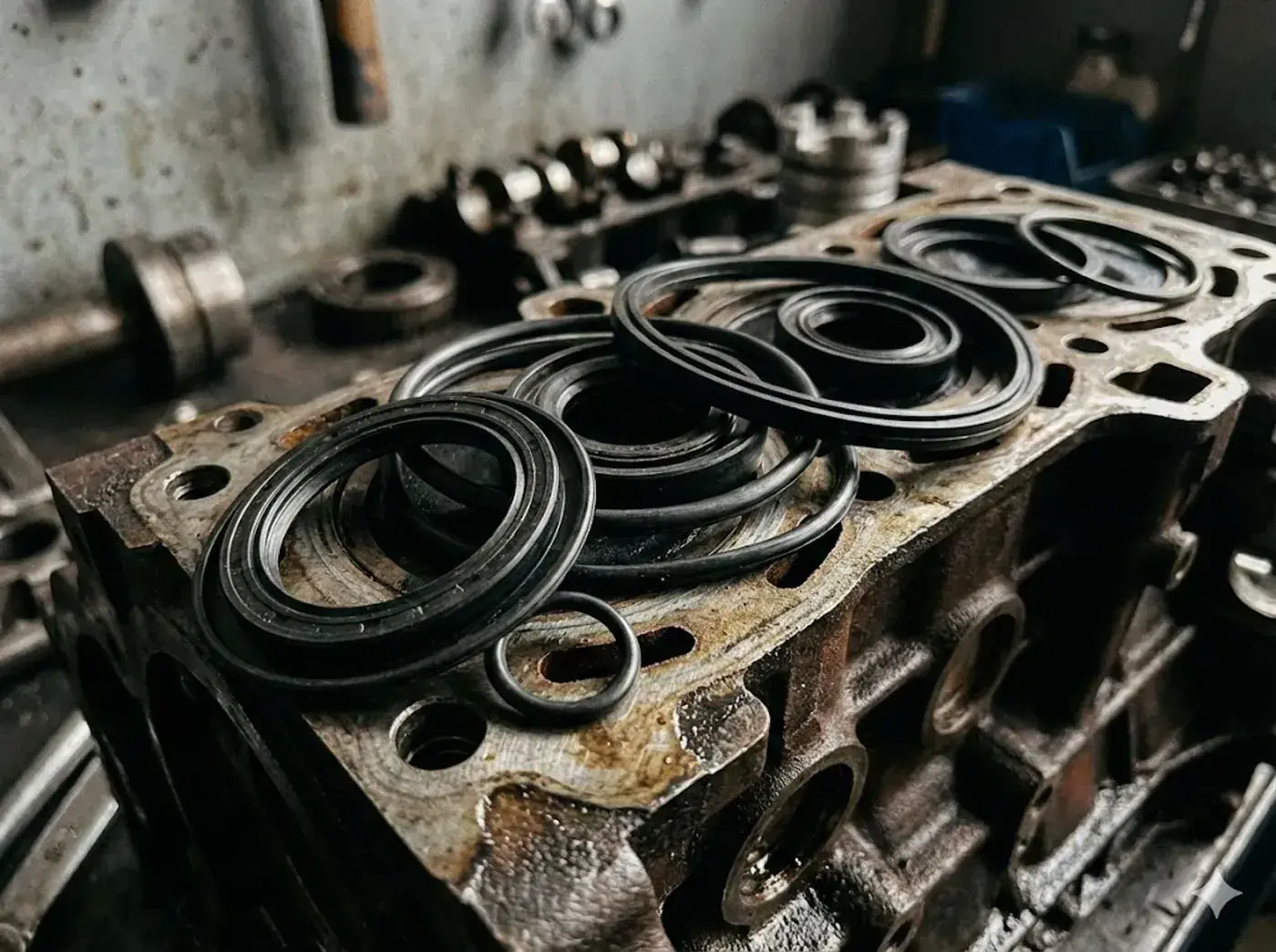
Sealing rings and gaskets for engines and transmissions that need to maintain elasticity long-term in high-temperature oil environments.
Automotive
Friction-optimized MgO maintaining stable μ (0.35-0.45) at temperatures up to 600°C, reducing brake fade and wear rates by 20-30% vs non-optimized formulations.
Why Recommended
Friction material grade providing stable friction coefficient in high-temp braking cycles and significantly reducing wear
Rubber Industry
Hose-optimized MgO preventing acid-induced swelling, extending hydraulic hose life 2-3x, and enabling safe processing of halogenated rubber compounds.
Why Recommended
Grade developed for oil and brake hoses, controlling volume swelling and extending service life
Specialty MgO
Ultra-active MgO (iodine value ≥120 mg/g) engineered to prevent scorch in neoprene adhesives and extend rubber compound shelf life by 3-6 months.
Why Recommended
Active MgO serves as acid acceptor and anti-scorch agent in seal formulations, improving formula stability
| Indicator | Industrial MgO | Friction Material MgO | Hose-Grade MgO |
|---|---|---|---|
| High-Temp Friction Stability | Average | Excellent | Good |
| Oil Swelling Control | Average | Medium | Excellent |
| Typical Application | General Industrial | Brake Pads/Clutch Plates | Oil/Brake Hoses |
Original formulation experienced severe brake fade during long downhill conditions, significantly increasing stopping distance.
Introduced friction material MgO and optimized inorganic filler ratio in the formulation.
With increased regenerative braking proportion, mechanical braking frequency decreases but instantaneous conditions become more demanding, requiring higher brake pad high-temperature performance.
8-10 year/200,000 km warranties make OEMs focus more on long-term reliability of brake pads and hoses, driving adoption of more stable MgO grades.
Xingtai Zhongyao's technical team has extensive industry experience and can provide professional formula suggestions and technical support based on your specific application needs.
