
Ultra-Pure MgO for High-Performance Ceramics
In advanced ceramics, MgO is not only the main component of refractories, but also a key raw material for microwave dielectric ceramics, heating element cores, and high-end structural ceramics. High-purity MgO features extremely low impurity content and excellent sintering activity, significantly reducing sintering temperature, increasing density, and providing superior dielectric properties and thermal conductivity, widely used in 5G communications, semiconductor equipment, aerospace and other high-end manufacturing.
99.9-99.95% MgO, heavy metals <10 ppm, meeting electronic/pharmaceutical-grade requirements
Microwave dielectric ceramic Q×f >100,000 GHz, εr stable at 9.8±0.1
Maintains structural stability above 1600°C, suitable for heating elements and refractories
Optimized particle distribution reduces sintering temperature by 50-100°C, saving energy
From lab to production line, our solutions have been validated in leading global enterprises
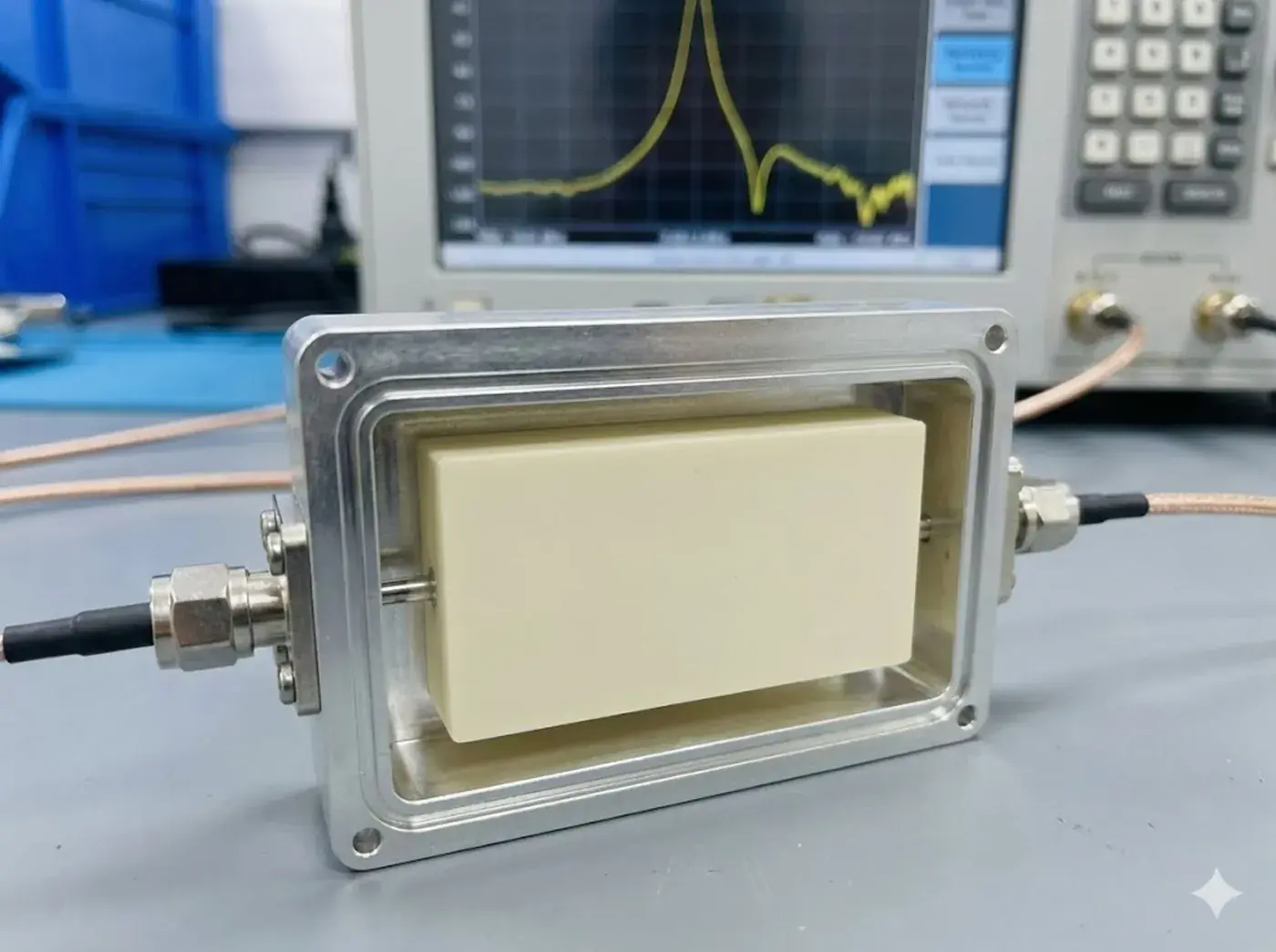
Used in core components such as 5G base station filters and dielectric resonators, extremely sensitive to dielectric constant stability and loss.
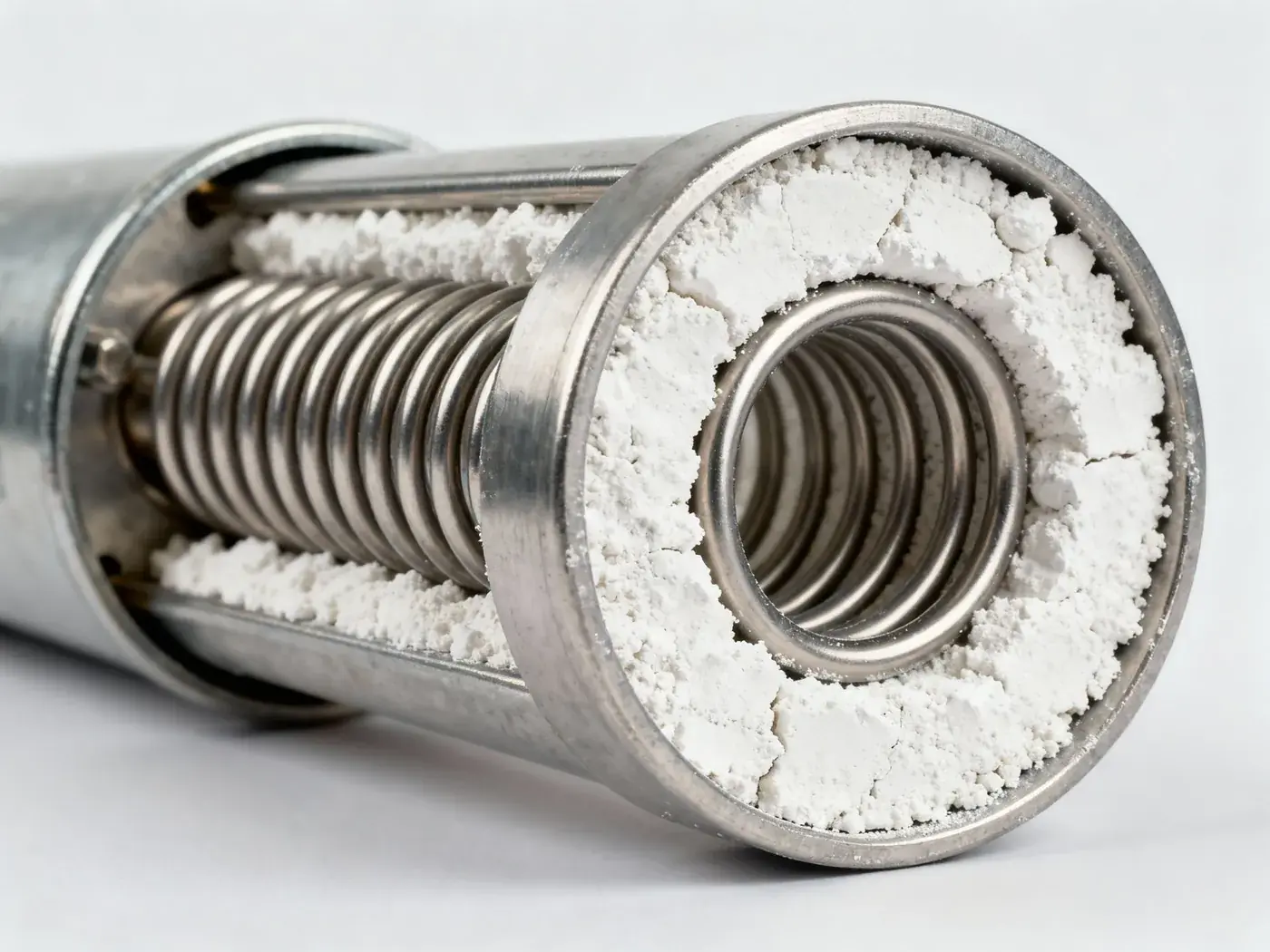
In magnesia-filled heating tubes, MgO provides both insulation and thermal conductivity, ensuring long-term safe operation.
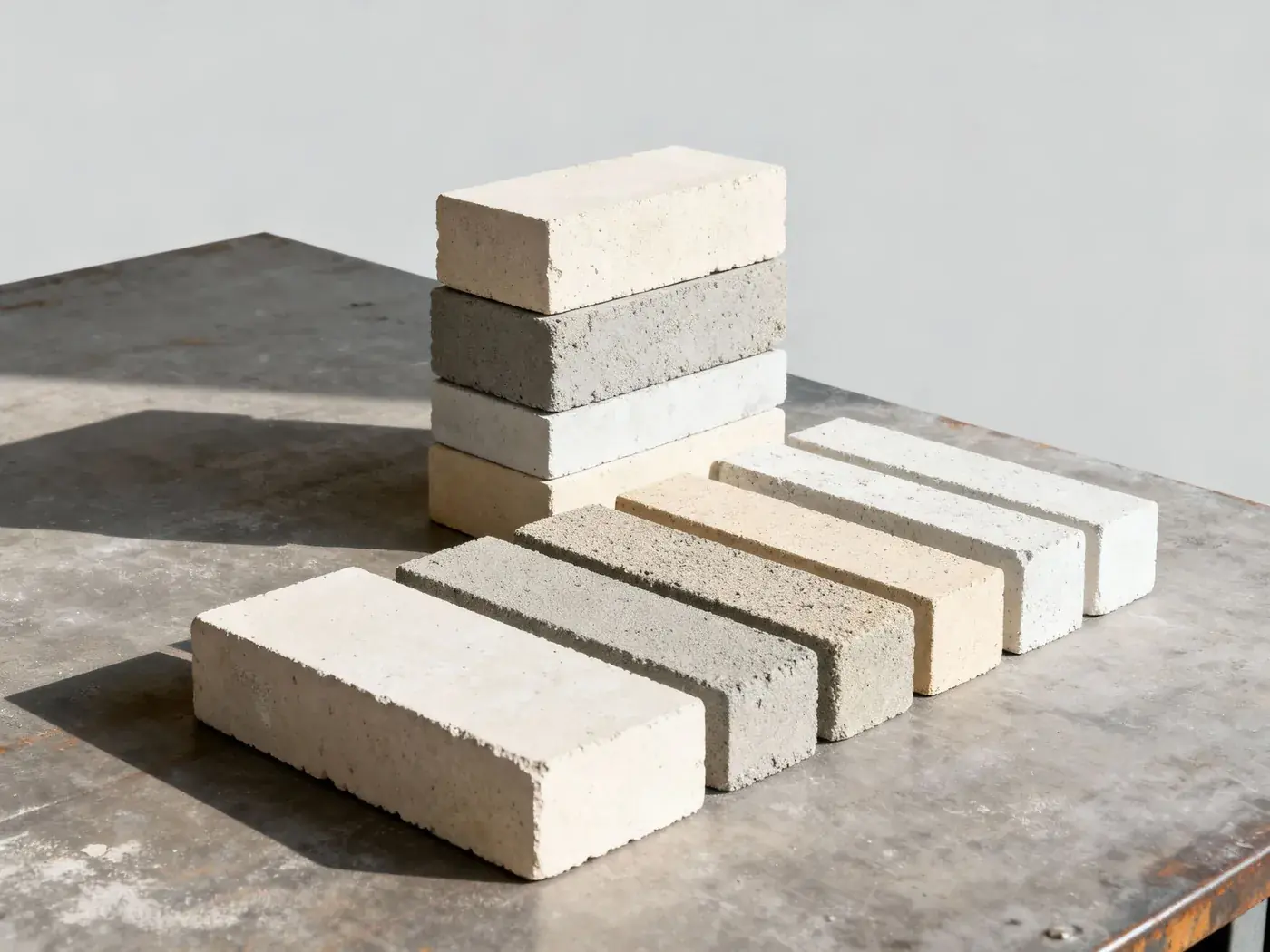
Used in magnesia refractory bricks and castables for steel, non-ferrous smelting, and glass furnaces.
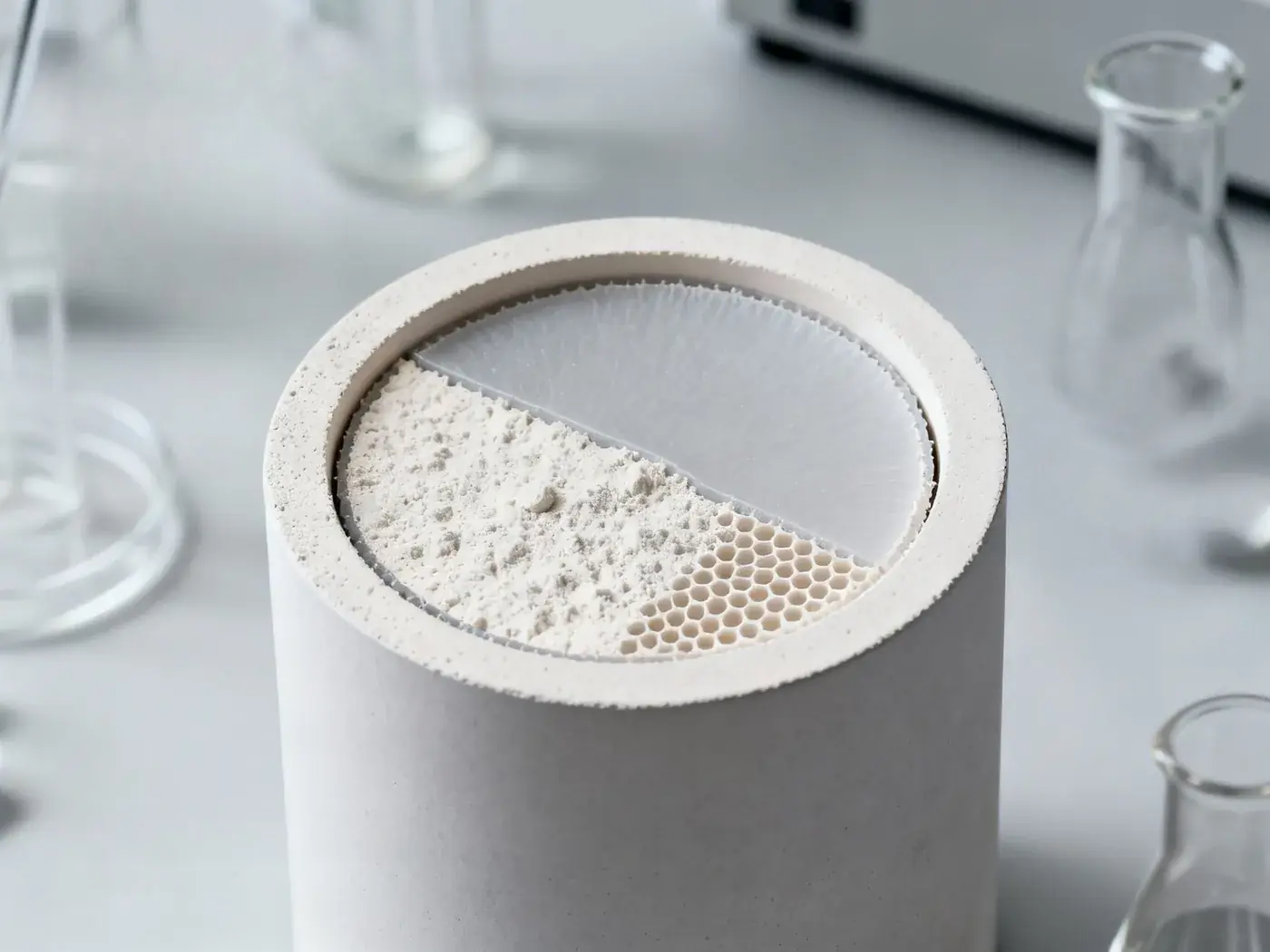
High-purity MgO serves as crucible liner for optical glass and functional ceramic matrix, ensuring optical and electrical performance stability.
Electronic/Pharma Grade
Pharmaceutical/electronic grade MgO (≥99.9% purity, <10 ppm heavy metals) for substrates, optical coatings, and drug synthesis where contamination is intolerable.
Why Recommended
99.9%+ high purity and ultra-low impurity content, the preferred substrate for high-end electronic ceramics and optical applications
Advanced Ceramics
Telecom-grade MgO (99.95%+ purity, D50 1-2μm) enabling Q×f >100,000 GHz in 5G dielectric resonators and εr=9.8 stability across -40 to +85°C.
Why Recommended
Specifically developed for microwave dielectric ceramics, providing extremely high Q×f and stable dielectric constant
Specialty MgO
Light magnesium oxide supplied in two grades — HD-8 (D50 40-60 µm) and HD-9 (D50 1-2 µm) — for rubber compounding, ceramic sintering and electrical insulation applications.
Why Recommended
Lightweight structure with high specific surface area, helps reduce sintering temperature and increase density
| Indicator | Industrial MgO | Light MgO | High-Purity MgO | Microwave Dielectric MgO |
|---|---|---|---|---|
| Purity (%) | 90-95 | 95-99 | 99.9+ | 99.95+ |
| Heavy Metals (ppm) | >200 | 100-200 | <10 | <10 |
| Sintering Temp (°C) | 1600-1700 | 1500-1650 | 1450-1600 | 1400-1550 |
| Dielectric Loss (tanδ) | High | Medium | Low | Very Low |
| Application | General Refractories | General Ceramics | Electronic/Optical | 5G Microwave Ceramics |
Original ceramic dielectric loss was too high, causing excessive insertion loss and significant temperature drift in 5G base station filters.
Adopted Xingtai Zhongyao high-purity MgO + microwave dielectric MgO composite formula, optimized sintering regime.
Higher frequency and more miniaturized communication equipment require microwave dielectric materials with higher Q×f and lower temperature drift, driving continuous growth in high-purity MgO demand.
SiC/GaN device operating temperature and power density increase, greatly expanding demand for high thermal conductivity and high insulation ceramic substrates, making magnesia ceramics an important direction.
Using high-activity, easy-to-sinter MgO raw materials can significantly reduce sintering energy consumption, aligning with energy-saving trends in the context of carbon neutrality.
Xingtai Zhongyao's technical team has extensive industry experience and can provide professional formula suggestions and technical support based on your specific application needs.
